
- A post on X alleges a seller named “Hackero$ Servicios Secundarios” advertises financial data and official documents aimed at Mexico.
- The listed services reportedly include payment cards, civil certificates, tax records, social security accounts, and phone line services, priced from 12 to 450.
- No outside report has backed up the claim, so the seller, the data source, and the services remain unconfirmed.
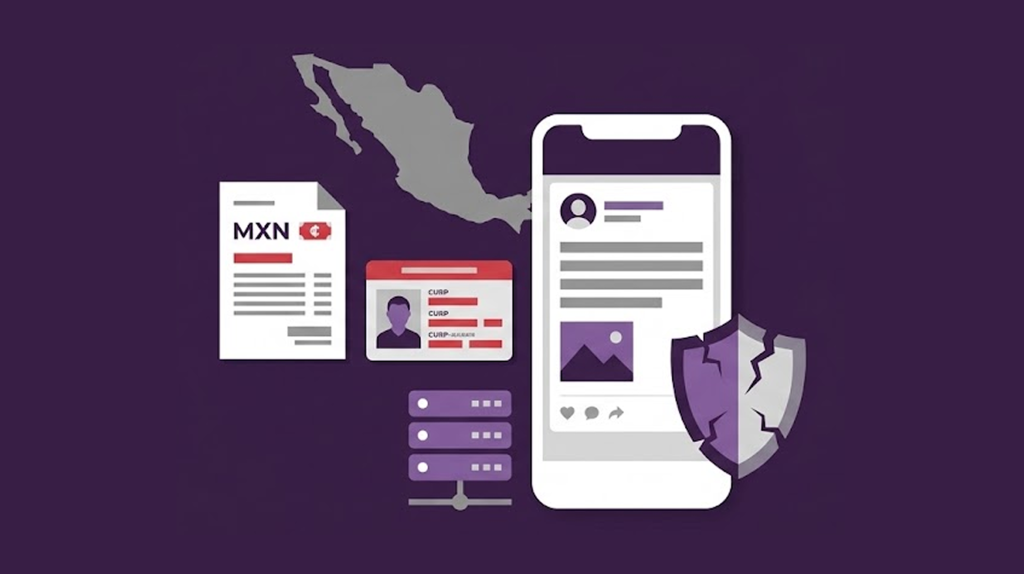
A post on X has drawn attention to an alleged online marketplace aimed at Mexico. The marketplace reportedly sells financial data and official documents. The X account CyberPulse shared the claim.
The post names a seller who goes by “Hackero$ Servicios Secundarios.” The seller reportedly advertises bank card data, civil certificates, tax records, social security accounts, and phone services. Prices range from 12 to 450, but the post does not state the currency. No outside report has backed up the claim yet.
Seller Lists Cards, Certificates and Phone Services
The post comes from CyberPulse (@CyberPulse56). It says the seller targets Mexican banking, government paperwork, and phone services. The seller reportedly offers access to financial data and many official documents.
According to the post, the list starts with credit and debit card data. It also covers certificates, diplomas, and professional credentials. Buyers can reportedly find birth, marriage, death, and divorce certificates as well.
The listing adds tax documents and verification records tied to Mexico’s Tax Administration Service (SAT). Some services involve accounts at the Mexican Social Security Institute (IMSS). Others involve the National Workers’ Housing Fund Institute (Infonavit). The seller also lists vehicle registration papers and permits. Mobile line registration and eSIM services finish the list.
Prices run from 12 to 450, depending on the service. The post does not name the currency. It gives no detailed price breakdown. It also does not show that any service reached a buyer.
Many questions stay open. The post does not prove the seller holds real records. It does not prove the seller can reach the named agencies. The seller may also be advertising services that do not exist. The seller’s identity and the source of the information are unknown too.
Fraud Risks Grow If the Claims Prove True
Real personal data or fake papers could lead to money and identity crimes. Mexico’s National Commission for the Protection and Defence of Users of Financial Services, known as CONDUSEF, explains how this works. The agency says identity theft means using another person’s details without permission. Criminals often do this to commit fraud. They may also use stolen details to get financial products in another person’s name.
The services in the CyberPulse post could add more risks if the claims are true. Criminals could use card data for payments the owner never approved. Fake civil certificates, professional credentials, or vehicle papers could help someone pretend to be another person. Such tricks could also support other forms of deception.
Access to tax, Social Security, or housing accounts brings other dangers. Criminals could view private records. They could also try to misuse account details. Phone services raise concerns too. Mobile line registration and eSIM services could be abused if criminals use another person’s identity. They could also take over a phone number without permission.
These risks are possible results only. No confirmed case links them to this seller. The post shows no buyers who purchased the services. It shows no victims who lost money. It also shows no breach at the named agencies.
Officials Share General Warnings but Name No Seller
A review of available search results found no outside report of this listing. No reputable cybersecurity publication has covered it. No Mexican authority has reported it either. Official Mexican sources do describe wider risks around identity theft, financial fraud, and misuse of personal data. None of those records confirm the claims against “Hackero$ Servicios Secundarios.”
A separate report highlights similar concerns about alleged data sales online. A hacker claims to be selling customer and infrastructure data linked to domain registrar Netim, although the claim remains unverified.
Mexico’s Secretariat of Security and Citizen Protection (SSPC) also issued warnings about digital fraud and identity impersonation. It says scammers try to get personal details and verification codes through messaging apps. These warnings provide useful background. They do not connect to the alleged seller.
Checking the claim would take several steps. Someone must examine the original marketplace listing and confirm when it was posted. Someone must also review any proof of the advertised services. Authorities and the named institutions must then say whether they know of related incidents.
Until that proof appears, readers should treat the post as an alert only. It does not confirm a data breach. It does not confirm a document forgery operation. It also does not confirm any successful crime.