

- WhatsApp is testing an After Reading feature that deletes text messages fifteen minutes after a recipient opens them.
- The deletion countdown operates independently of read receipts, ensuring messages expire even if blue checkmarks are turned off.
- The upcoming tool closes security gaps left by longer disappearing message timers, it quickly removes sensitive data like access passwords and verification codes.
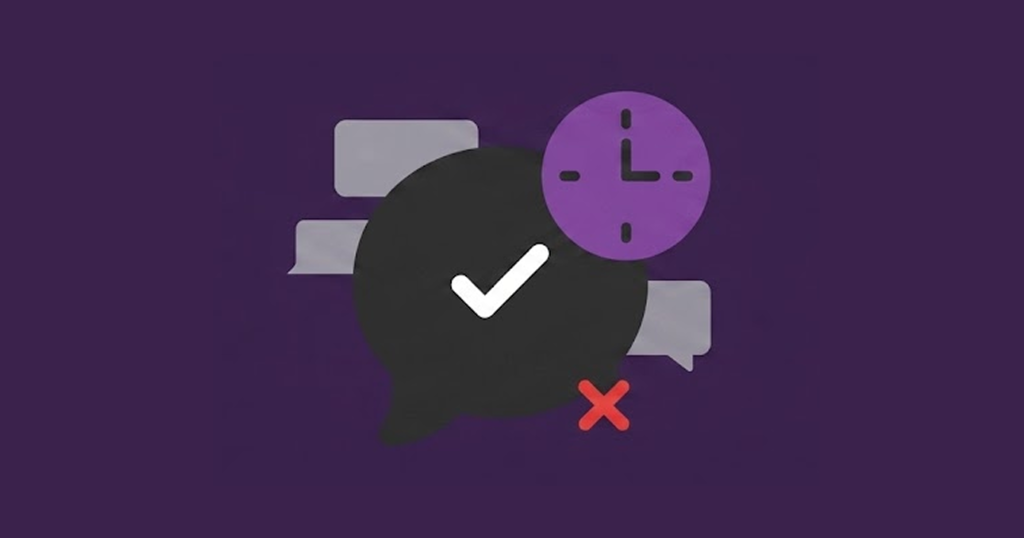
WhatsApp is working on a new privacy feature that will allow users to delete read messages after 15 minutes. The new feature comes in response to increased worries about potentially sensitive information forever existing in old conversations.
Tracking software has identified the early use of this feature in the latest Android beta versions the company gave to testers. Development teams are now fine-tuning the functionality before entering a public beta phase in app stores worldwide.
Mechanics of the Fifteen-Minute Read Timer
The newly released feature comes equipped with a strict 15-minute expiration period that starts immediately after a receiver opens the conversation. Once the countdown starts, internal processes will start a continuous process to permanently delete content from the devices of both parties.
Unread messages will follow a different timeline. They will exist in the recipient inbox for up to 24 hours before automatic self-destruction. Account holders can choose to toggle this specialized timer on individual contact threads. Also, they can apply it globally across all existing chat streams.
The engineering teams developed the internal trigger systems to operate without relying on traditional account status indicators. As a result, even if a user turns off the blue double tick marks, the system for deleting messages still operates in the background unhindered.
The internal code for clients has the capability to report events of interaction with the screen on its own. Therefore, it begins a timer even if the user hides the sign of reading received messages. The structure of the software guarantees a strict observation of privacy protection principles during all technical design implementations.
Addressing Privacy Gaps in Everyday Data Sharing
Current platform options allow users to set automatic message removal intervals at twenty-four hours, seven days, or ninety days. While those standard timeframes suit general storage management, long durations fail to protect high-value short-term credentials.
Shared information like single-use verification codes, banking details, physical access codes, and home addresses remain vulnerable when sitting inside chats for an entire day. Furthermore, existing single-view media settings only process image files, video uploads, and voice memos rather than standard text strings.
The short fifteen-minute interval effectively closes this operational gap by accelerating text disposal immediately after consumption. Users sharing confidential login details can trust that sensitive strings will vanish quickly without manual deletion efforts.
By reducing the exposure time, users minimize the chances of unauthorized access to accounts through physical device theft or cloud backup hacking. This means that the new update will successfully offer protection from unlimited access to theft from important personal records and still keep on functioning in the usual daily processes.
The need for such privacy protections is underscored by real-world attacks on messaging platforms. In early 2026, a phishing campaign targeting Signal users, blamed on Russia by German authorities, compromised approximately 300 accounts belonging to politicians, diplomats, military officers, and journalists.
Integration with Broader Platform Infrastructure Upgrades
Meta continuously expands security safeguards and communication utilities across its core messaging infrastructure. Development teams recently introduced real-time text translation capabilities across global server regions to eliminate language barriers.
Additionally, product managers are testing premium subscription tiers that offer specialized layout customization tools for power users. The organization also added scheduled message options to help users manage temporal delivery across different global time zones.
Adding rapid auto-deletion tools strengthens the platform’s position against competing encrypted communication networks. Furthermore, implementing granular control options aligns with broader industry standards regarding temporary data storage.
Privacy advocates regularly urge tech companies to minimize passive data retention across central network nodes. Consequently, engineering teams prefer automated localized cleanup systems – since such systems eliminate sensitive data without needing user oversight at all times.
Practical Implementation Steps for Privacy-Minded Users
To ensure maximum privacy from the start of the deployment, account holders must consistently check application security settings. To set default timers for new conversations, users will have to go into the internal settings of the account.
Users can also choose to set auto-deletion preferences in short terms for particular contacts from within the active conversations. Changing message lifecycle settings proactively will allow people to avoid the unintentional sharing of messages across personal devices.
Security experts recommend pairing short auto-deletion timers with robust local device protection. Account holders should enforce biometric authentication locks for primary app access to prevent unauthorized physical snooping.
Additionally, users need to check that local cloud backup operations do not mistakenly secure unread confidential messages before expiration timers run out. The use of platform privacy features in conjunction with reliable personal security practices guarantees complete privacy in all digital communication platforms.
