- A hacker called “xODead” claims to hold data from 45 million Egyptian Facebook accounts. No one has confirmed it.
- The number matches a 2021 Facebook leak that exposed about 44.8 million Egyptian accounts. The new claim may reuse that old data.
- Phone numbers are the main risk. Expect scam calls and texts, and tighten your account settings now.
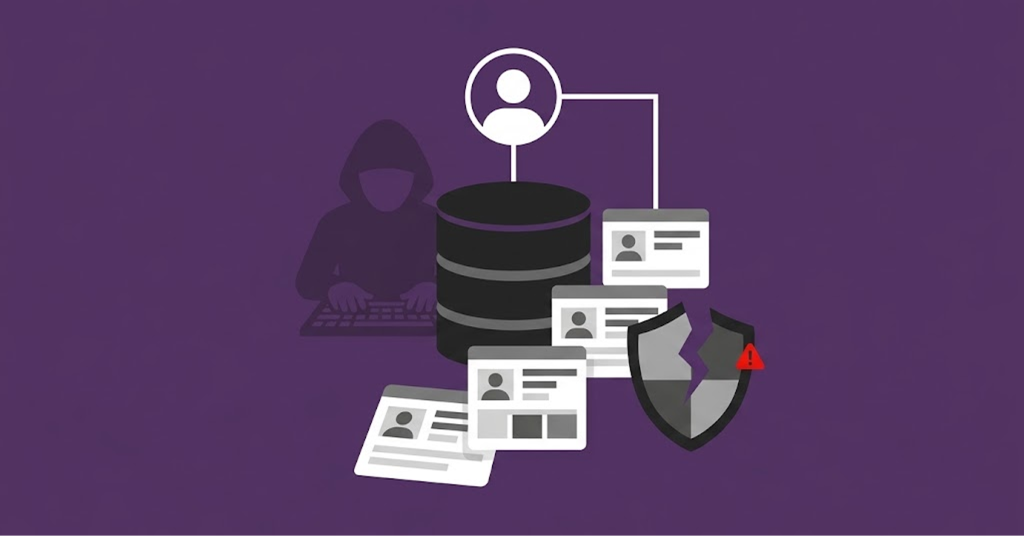
A hacker using the name “xODead” says he has data from 45 million Egyptian Facebook accounts. The claim lists profile links, usernames and mobile phone numbers.
However, no public proof backs it up. No statement from Meta turned up in searches, and no security firm has shared a test of a sample.
What the Hacker Claims and a Similar Incident
According to the post, the leaked information includes profile links, usernames, and phone numbers.
It does not provide any information about how and when the hacker acquired the data. As a result, there is currently no way to verify the claim. Also, no Egyptian government representative commented on the claim. Until a sample of the data is verified, the claim remains unverified.
The figure of 45 million is not new. In April 2021, a hacker published data for 533 million Facebook users from 106 countries. Egypt suffered the largest number of users. Some reports estimated 44.8 million users, and according to Surfshark, it was 45.2 million users.
It, in fact, affects nearly everyone, according to reports. Estimates suggest there are between 42 and 50 million Facebook users in Egypt. Thus, the post might just be an updated version of the old hack.
Additionally, there is another claim. On April 9, 2026, the account Dark Web Intelligence mentioned the leak of a database of 45 million Egyptian “leads”. However, the brief description I could find did not mention xODead.
Hackers have made big Facebook claims before. In March 2025, a hacker called Z4ck said he held 712 million accounts. Meta told the French site Clubic that no new leak had happened.
Dark web activity also features in other cybercrime cases, including the Minnesota man charged over alleged dark web child abuse purchases.
Details of the 2021 Facebook Leak
Meta called the 2021 data old. The company said it was first reported in 2019. According to The Record, attackers abused a flaw in the contact importer tool. They uploaded long lists of phone numbers, and Facebook matched those numbers to real profiles.
Meta says it fixed the flaw in August 2019. It also says the data held no passwords. Even so, regulators took action. Ireland’s data authority later fined Meta $276 million over the leak. Meanwhile, Meta did not alert users. Computer Weekly reported that the company could not see exactly who was affected.
Why Phone Number Exposure is Risky
Above all, phone numbers drove the 2021 leak. Surfshark found that scammers could match names to phone numbers for about 89 percent of the people exposed. The same risk applies if the latest claim is legit.
A message or call from a scammer posing as a bank rep, shipping service, or Facebook support will seem very legit if they have your name and phone number. Profile links also let impersonators copy a person’s account and message their friends.
Beyond that, stolen numbers have other uses. Criminals can use this information for SMS-based scams and SIM swapping. This is where someone steals your SIM card and logs in using the codes sent by text. Old data also stays useful for years. Bitdefender warned that older leaks still power fresh scams.
What you can do to Stay Safe
Your first call should be to activate two-factor authentication on Facebook. Using an authenticator application is preferable to SMS codes since the SIM swap cannot access such codes.
Then go to privacy settings. Make sure your phone number isn’t public or visible to everyone. Seriously, hide it if possible. Even Meta urges users to check privacy settings and use two-factor authentication.
Then change how you handle unexpected contact. Also, don’t ever give code to any caller. Also, don’t click links in unsolicited texts. If you see such, ignore it, and contact the company directly via their official line to confirm. And warn your friends and relatives to stay cautious, as fraudsters usually attack relatives next.
Two things would settle the matter. A researcher could test a sample against real accounts. Meta could also clarify whether it’s fresh data or old. For now, treat the claim with some skepticism.
Nevertheless, it doesn’t hurt to take extra precautions to secure your account. Act as if your number is already public. For many Egyptian users, it has been since 2021.