

- A new claim says a leak exposed 1,213 hunting permit applicants in France.
- The alleged data includes personal details, invoices and payment information.
- No official source has confirmed the claim yet.
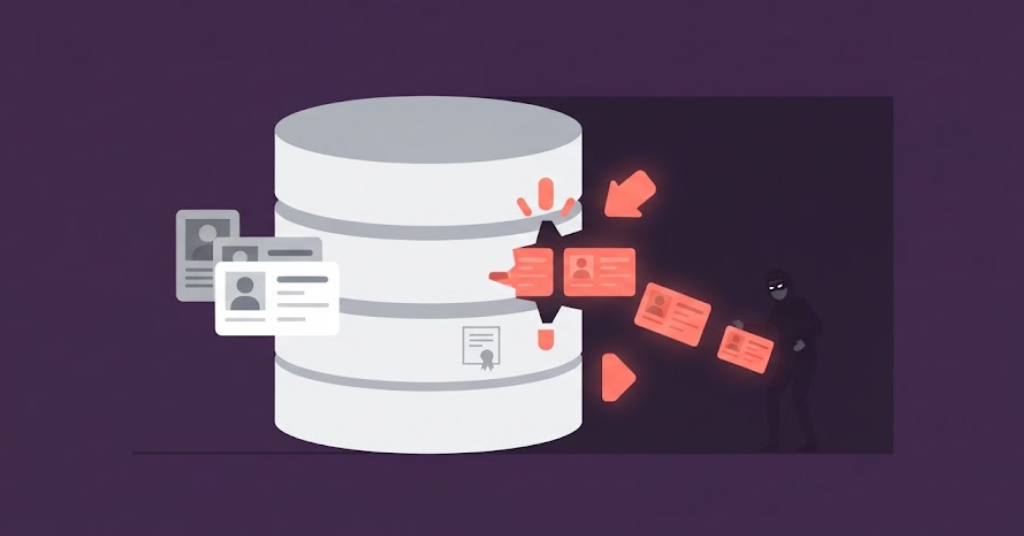
A new data leak claim about hunting permit applicants in France is spreading online. A hunting permit is an official approval that lets a person hunt. The claim says a leak exposed more than 1,200 records. It points to a weakness in a payment system, the tool that handles money for a service.
FrenchBreaches, a cybersecurity monitor, raised the claim. Cybersecurity monitors keep watch for online attacks and data leaks. Researcher Sebastien Latombe shared the claim on X, the social media platform.
Details of the Alleged Leak
According to posts on X, FrenchBreaches examined 1,213 records linked to hunting permit applicants. A record is one entry in a database, such as one person’s details. The records reportedly contain names, dates of birth, postal addresses, email addresses and phone numbers. They also reportedly include invoices, which are bills showing what a person paid for. Details like these can help identify a specific person.
The hacker behind the claim says they obtained about 170,000 lines of data. Lines here means rows of information, like rows in a spreadsheet. No independent source yet supports that number or confirms that all the lines relate to hunting permit applicants.
Earlier Breaches Confirmed in France
France has faced several confirmed breaches involving hunting groups and permit systems this year. A breach is a successful attack that gets into a system without permission. On January 20, 2026, the Fédération Nationale des Chasseurs (FNC) confirmed the cyberattack.
A cyberattack is an attack carried out through computers or the internet. The FNC is France’s national federation of hunters. A federation is a group that brings many local groups together. The attack hit the area for members of its online permit validation service. Validation means checking that something is correct or approved.
According to Chasseurs du Nord, the FNC detected the attack quickly and isolated the affected access. Isolating access means cutting it off from the rest of the system. It confirmed that someone accessed some personal information and permitted validation data.
According to chasseurs33.com, the FNC also said banking details, passwords, and firearm ownership information stayed safe. It notified authorities, including CNIL, France’s data protection regulator, and filed a complaint. A regulator is an official group that enforces the rules.
French media later reported that hunters’ information appeared on the dark web, a hidden part of the internet. According to L’Est Républicain, a French newspaper, someone allegedly offered names, addresses, emails, phone numbers, and permit details. The paper noted that the federation’s report did not include banking details.
The French government has also acknowledged the wider attacks on hunting systems. According to France’s National Assembly, a February question to the government mentioned two incidents. A parliamentary question is a formal written question that lawmakers send to the government. One incident involved the FNC. The other involved the national hunting permit system run by the French Biodiversity Office (OFB).
The New Claim is Still Unconfirmed
Readers should treat the latest allegation separately from the January FNC incident. The OFB says its hunting permit system processes sensitive personal information, as shown on Légifrance, France’s official website for laws and government texts. Sensitive information is data that could cause harm if misused. The system processes names, dates and places of birth, addresses, phone numbers and permit information.
At the time of writing, no official OFB statement confirms that 1,213 applicants were affected. No CNIL notice, police announcement or independent cybersecurity report confirms the claim either. No one has proven the payment system weakness described in the posts. Treat the 170,000 lines as the hacker’s claim, not as a confirmed number.
If the claim is confirmed, criminals could use the details for phishing, fraud, and identity theft. Other recent French data leaks have also exposed customer information, including the French retailer customer information leaked online without any cost case.
Phishing uses fake messages to trick people into sharing private information. Fraud means tricking people into giving up money or goods. Identity theft means someone pretends to be you to take your money or accounts. Cybermalveillance.gouv.fr, France’s national cybersafety service, warns that criminals can use stolen details for targeted scams. They can also use them to attack victims’ other accounts.
For now, the simplest accurate description is this. Someone has alleged a new breach, but no one has confirmed its size or technical details. Confirmed breaches earlier this year show that attacks on French hunting groups are a real concern. They do not, however, prove this latest claim.
