

- A dark web threat actor claims to possess a database containing over 6.5 million HTX user records, supported by a small sample dataset carrying 2026 timestamps.
- The exposed database structure features fields labeled for emails, phone details, passwords, Google Authenticator keys, and identity verification records.
- Neither HTX nor independent security researchers have verified the authenticity, complete scope, or actual credential exposure of the listed dataset.
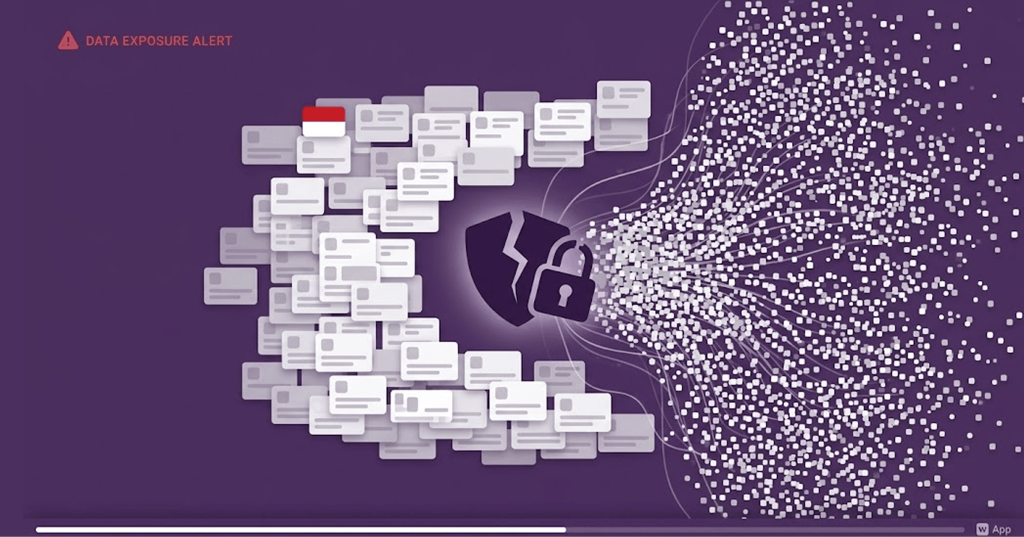
Cryptocurrency exchange HTX, which formerly operated under the brand name Huobi, faces serious security scrutiny after a dark web forum listing claimed to expose its user database. A threat actor published the advertisement online, alleging possession of records belonging to millions of active account holders.
Cybersecurity monitoring groups spotted the forum listing alongside a small dataset sample offered as verification proof. Although news of the alleged breach spread rapidly across social media platforms, platform executives have not officially confirmed any network intrusion.
Allegations of Exposure for Millions of User Records
The threat actor claims to hold an extensive database containing over 6.5 million HTX user records. Furthermore, the published sample exposes several visible database columns, including account identification numbers, registration statuses, and profile information.
The data leak allegedly contains valid email addresses and phone records linked directly to registered traders. Therefore, the teams involved in security intelligence are closely observing the online criminal market to find out the extent of the leak.
Moreover, the dataset includes account records with timestamps from as early as the beginning of this year. This timestamp detail indicates that the listed files could represent recent platform activity rather than an outdated data compilation.
Security analysts noted that the seller shared this file sample to convince buyers about the freshness of the stolen material. However, threat intelligence specialists emphasize that partial samples do not provide conclusive proof that the entire 6.5 million record file exists or remains authentic.
The malicious actor claims the complete database includes critical security columns like primary account passwords and internal cash withdrawal codes. Moreover, the database schema reportedly features secondary authentication fields marked for Google Authenticator secrets and official identity verification files.
Nevertheless, independent verification remains necessary before treating these claims as verified security events. Meanwhile, cryptocurrency users can review digital protection guidelines on official government cyber safety portals like CISA to protect personal online accounts against unauthorized access.
Technical Analysis of Exposed Database Fields
Security researchers point out that visible field names within a database layout do not prove actual data theft. A database schema frequently retains designated columns for cryptographic passwords, two-factor keys, and identity documentation even when those cells hold salted hashes or empty strings. Therefore, seeing labels like password or authenticator secret does not mean the hacker possesses plain readable text.
Furthermore, cybersecurity monitoring group Dark Web Intelligence noted that raw field labels are merely structural database templates. Standard security practices require modern cryptocurrency exchanges to hash passwords and encrypt authentication seeds before writing records to storage disk.
This means after extracting bare database tables, attackers will only be able to retrieve unreadable strings of encrypted text. However, the availability of confidential information will still make account owners vulnerable to numerous phishing attacks.
The inclusion of identity verification labels presents additional operational concerns for affected exchange users. Identity verification systems routinely process uploaded government passports, residential proof, and tax identification documents. If hackers compromise those personal records, victims face heightened risks of identity theft across secondary financial institutions.
Risks Surrounding Unverified Data Leaks
Extremely large database leaks on dark web marketplaces require thorough investigation because threat actors frequently manipulate their claims. Cybercriminals usually inflate record figures to ask for higher ransom fees or deceive clients into buying fake databases. Furthermore, the perpetrators often mix previous breaches from completely different databases and sell them under a high-profile name.
Consequently, cybersecurity teams require an official technical statement from HTX to validate the leak claims. Previously, the exchange experienced security issues, such as hot wallet hacking incidents as well as denial-of-service attacks.
However, those events had no mass database leak of this scale. Thus, forensic specialists view this case as a stand-alone case that needs independent technical verification.
Discord has reportedly tested Incode’s age verification technology, which uses facial age estimation and ID checks. Privacy advocates warn that collecting biometric data and government IDs could create security risks. The testing follows Discord’s UK age verification rollout, which also drew privacy concerns.
In the meantime, IT specialists recommend traders double-check their personal security settings immediately. Also, they recommend changing passwords, regenerating two-factor authentication tokens and monitoring of registered email accounts for phishing attempts.
Impact on Global Cryptocurrency Security Standards
The emergence of database breach allegations highlights ongoing security challenges facing global centralized exchanges. Centralized trading platforms manage millions of sensitive customer files, creating attractive targets for sophisticated threat groups. Furthermore, when dark web forums list database dumps containing personal identification records, the potential exposure extends far beyond the trading platform itself.
Consequently, institutional traders and individual investors are demanding greater transparency regarding internal database security protocols. Regulatory bodies across multiple jurisdictions continue to push for stricter data protection mandates within the digital asset industry.
It is necessary for financial institutions to set up storage mechanisms based on zero trust. They should also make sure that customer data is encrypted throughout the entire document storage process to minimize risk.
Notably, a lesson from the incident is that all crypto users should take care of their operational safety. They must ensure the application of hardware security tokens, separate trades emails from other emails, as well as refrain from using the same passwords for different logins to reduce personal exposure.
As cybersecurity investigators work to verify the legitimacy of the HTX dataset, account holders should remain vigilant against targeted social engineering attempts.
