

- A dark web forum user claims to have obtained a database from Nicaragua’s Alcaldía de Managua with administrative records and government procedure information.
- The listing includes sample fields such as applicant names, email addresses, document identifiers, application dates, and workflow metadata.
- Nicaraguan authorities have not confirmed the breach, also, no independent verification of the authenticity or scale of the dataset currently exists.
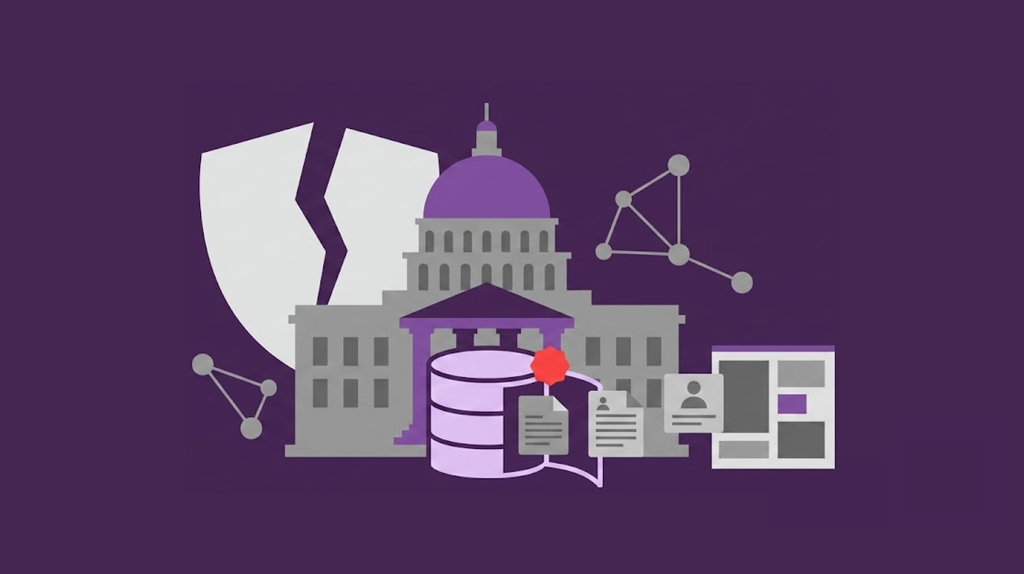
Recently, a dark web user posted about a database reportedly from the Alcaldia de Managua, the municipality of the capital city of Nicaragua. The seller claims the dataset contains municipal administrative records tied to government procedures.
The listing shows sample fields that reportedly include applicant names, email addresses, application dates, expiration dates, and document identifiers. The records also appear to contain procedure status information, workflow details, and administrative metadata.
The criminal claimed that they stole the information from the Government of Nicaragua and intended to document the credentials using Telegram. The seller has not given any evidence to authenticate the information, also there is no independent confirmation about the validity of the database.
Nicaraguan representatives have not made any remarks on the issue so far. Security services experts regard these dark web offers as baseless until they receive technical confirmation or disclosures from authorities.
What the Claimed Database Contains
The post from the seller includes sample fields that show various types of information. The records reportedly feature applicant names and email addresses. They also contain application dates and expiration dates. Document identifiers appear in the sample entries as well. Procedure status information and workflow details are also listed.
The dataset allegedly holds administrative metadata related to government procedures. This suggests the information may come from permit applications or service requests. Municipalities typically process property registrations, business licenses, and construction permits. These records could involve personal information of citizens seeking government services.
However, the seller offered no proof of the authenticity of the data. No sample files were published to verify the claims. The exact number of affected records remains unknown. The time period covered by the alleged breach is also unclear.
Previous Cyber Incidents Involving Nicaragua
Nicaragua has had a number of instances of cyberspace security breaches in the past. One of these is the attack of the hacker group Anonymous on the Ministry of Health in 2020, when this group leaked COVID-19 information.
The obtained data reflected that the government under-reported the real number of those infected. Also, the leaked data showed thousands of unreported infections that contradicted official figures.
The group had targeted Nicaraguan government websites even earlier. During the 2018 protests, Anonymous launched DDoS attacks against official media and government institutions. The group published private information of public figures connected to the government.
Recently, the Nightspite Ransomware Group has confirmed hacking DataBank, an important company in Nicaragua, in January this year. They have threatened to leak sensitive data unless DataBank negotiates with them.
This shows that cybercriminals continue to target Nicaraguan entities. The country has also seen listings for unauthorized webshell access to government systems. Such sales indicate persistent vulnerabilities in government networks.
What this Means for Affected Individuals
In case the database is genuine, the exposed data sets can be a source of limitless ploys. Identity fraud is still a top concern for those affected, as cybercriminals may use these credentials for phishing schemes. They can also forge documents based on stolen information.
The presence of administrative metadata could help attackers understand government workflows. This knowledge might allow them to impersonate officials. Also, exploitations of procedural vulnerabilities can lead to future attacks.
However, without having any official verification, the authenticity is still questionable. The authorities in Nicaragua have not confirmed anything regarding this breach.
The governmental organizations mentioned in any dark web listing need to take such claims as non-verified. Before any independent verification surfaces, all the citizens must be careful but not panic.
While this listing remains unconfirmed, other campaigns demonstrate how cybercriminals can weaponize trusted platforms. Operation HumanitarianBait uses GitHub Releases to host Python spyware payloads while displaying decoy humanitarian documents to victims.
