

- A hacker claims to be selling a customer database tied to crypto exchange Gemini.
- The alleged data reportedly includes names, emails, phone numbers, and locations.
- Gemini has not confirmed a new breach, and its systems show no fresh incident report.
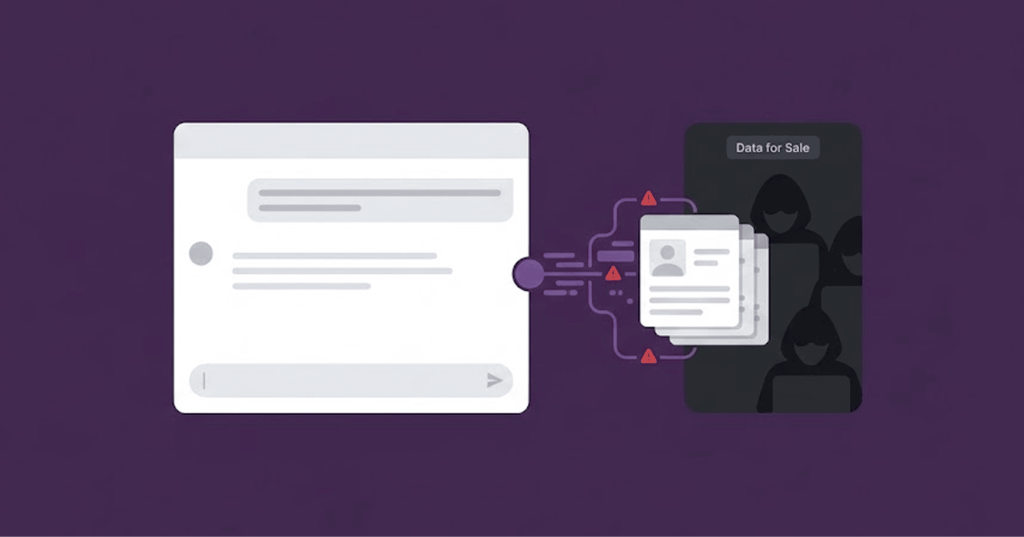
A seller on the dark web claims to have Gemini customer records for sale. The claim has raised fears of phishing and scam attempts against Gemini users. However, nobody has confirmed yet that this data came from a real Gemini breach.
Seller Claims Gemini Customer Data for Sale
Dark Web Intelligence first spotted the listing. The group reported that a seller is offering a database they say belongs to Gemini customers. According to the post, the alleged records include full names, email addresses, phone numbers, and location details. The seller claims that most affected users live in the United States.
Nobody has independently checked this claim yet. The post does not say when the data was taken. It also does not say how many people it affects. It is unclear if Gemini’s own systems were touched, or if someone pulled this data from other older sources instead.
This matters a lot. Old leaked data often gets recycled by criminals. They mix it with fresh details, then sell it again as something new. So this listing could be new, or it could be repackaged information from years back.
Gemini’s History of Data Exposure Incidents
This is not the first time Gemini customer information has surfaced online. Back in December 2022, Gemini confirmed an incident tied to a third-party vendor. That event exposed customer email addresses and partial phone numbers.
Gemini stated at the time that its own systems stayed safe. The company also said user funds were never at risk during that event. You can read Gemini’s own account of phishing risks tied to leaked contact details on its official blog.
More recently, in September 2026, some users reported a strange problem. According to posts on Reddit, users received emails meant for other Gemini customers. These messages allegedly included private credit-card dispute details. They also exposed the email addresses of other users by mistake. Still, no proof links that mix-up to the current database now being sold on hacking forums.
Put together, these events show a pattern worth watching. Gemini has faced customer-data issues before. But that history alone does not prove today’s specific claim is true.
No Official Breach Confirmed, but Risks Remain
As of now, Gemini’s status page does not list any new customer-data breach. The page currently shows only service and connection issues. During those past problems, Gemini said user accounts and funds stayed secure each time.
Gemini also lists strong safety tools on its security page. These include mandatory two-factor login checks by default. The exchange also offers hardware security keys for extra protection. Users can turn on withdrawal address lists too, so money only moves to approved wallets.
For now, treat this alleged database sale as unverified. Nobody has proven it truly came from Gemini’s own systems. Even so, if the leaked details are real, they still carry risk. Names, emails, and phone numbers can fuel targeted phishing messages. Scammers often use small personal details to appear trustworthy at first contact.
Customer data is not the only type of access being advertised on underground forums. In another recent case, a hacker claimed to be selling access to a major Asian telecom firm for $500, showing how cheaply criminals may advertise access to valuable corporate systems.
Gemini recommends fast action if you think your account was compromised. The company asks affected users to contact its support team right away. You can find the step-by-step recovery guide on Gemini’s support page. Acting early can help limit any damage from a possible account takeover.
No trusted source checked for this report has confirmed the database is genuine. Nobody has verified its true size either. Its exact origin also remains unknown for now. Until Gemini or independent researchers confirm more, this stays an unverified claim, not a proven breach. You can also check past exposure records tied to Gemini through Mozilla’s breach monitor for added context.
Staying alert matters more than waiting for perfect proof. Watch for strange emails asking for personal details or login codes. Turn on every safety feature your exchange offers, starting today. Small habits like these often stop big problems before they even start.
