
- State Bank of India identified 3,897 customer records with personal details among about 375,000 records found on the dark web.
- Three sources alerted SBI on October 16, 2026, and the bank hired an independent cybersecurity firm.
- SBI says its core banking operations and business continuity remain unaffected while the investigation continues.
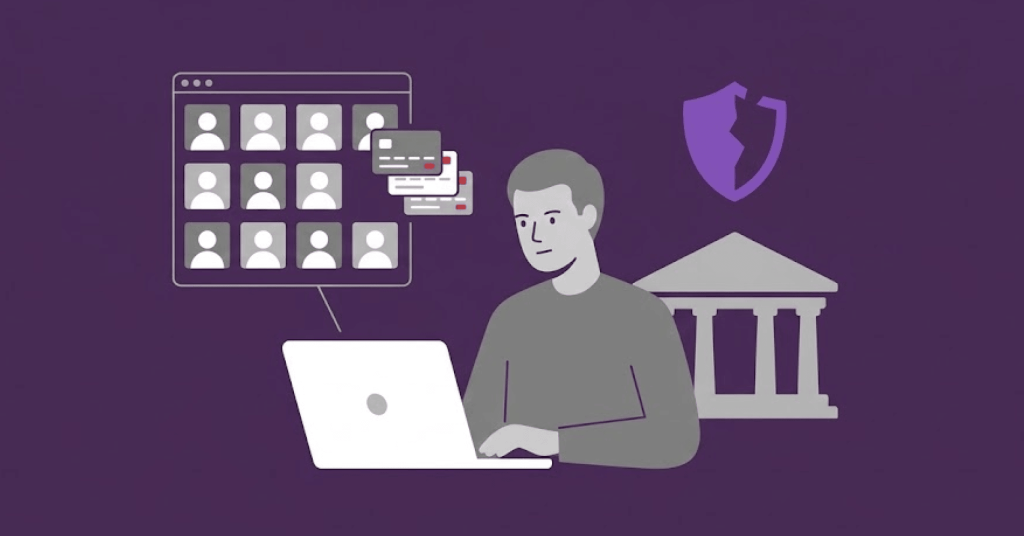
State Bank of India (SBI), the largest public sector lender in India, is investigating a suspected data exposure. Its early review found 3,897 customer records with personal details among about 375,000 records on the dark web. SBI confirmed the loss of certain data in a disclosure to the stock exchanges on October 21, 2026.
Reports published on October 21 also covered the incident. They cited the regulatory filing and the ongoing investigation that SBI described. You can read the official filing to see every detail the bank shared.
SBI Confirms Data Loss After three Alerts
SBI received alerts about the suspected exposure on October 16, 2026. They came from its threat intelligence provider, the Defence Cyber Agency, and CERT-In. CERT-In is short for the Indian Computer Emergency Response Team. All three alerts concerned the suspected exposure of customer information. The bank published its disclosure five days after those alerts arrived.
The bank then carried out a preliminary analysis of the records. According to the disclosure, the files contained customer names and registered mobile numbers. They also included dates of birth, gender, email addresses, and residential addresses. SBI describes this material as personally identifiable information (PII).
Other fields went beyond basic personal details. The records also listed bank branch details and Customer Information File (CIF) identifiers. Lead IDs appeared too. The files also held metadata tied to loan and lead records. These fields tie the records to specific bank branches and loan files. The disclosure lists the exact fields found, so customers can see what kind of details were involved.
SBI has not yet found the source of the exposed information. It also has not confirmed that the entire dataset is real and complete. The figure of 3,897 comes from the early review only. It does not prove that all 375,000 records belong to affected SBI customers. The final number of affected customers therefore remains uncertain.
Independent Experts Study the Suspected Breach
SBI says it acted promptly once the alerts arrived. The bank activated its cyber incident response and containment protocols straight away. It also hired an independent cybersecurity firm from CERT-In’s approved list. That firm will examine the suspected compromise and work out its nature and extent.
The investigation has three main goals. Experts will check whether the exposed records are authentic. They will try to identify the possible source of the data. They will also assess the risks that the leak creates for customers and the bank. SBI added that it is applying corrective and preventive measures where required.
Many questions remain open. The disclosure does not name a confirmed attacker. It also does not explain how the data reached the dark web. The bank has not said whether bank systems, a third-party provider, or another source caused it.
SBI says the incident had no material impact on its core business operations. It reported no material effect on financial performance or business continuity either. According to SBI’s statement, its core business functions continued to operate normally during the assessment.
Customers Face Possible Phishing Risks
The full extent of the exposure remains uncertain. Still, the reported mix of personal details, contact information, and loan-related records could help criminals. Criminals could use that mix to create convincing impersonation attempts.
Each type of detail could play a part in a scam. A name and mobile number could let a caller reach you directly. Branch details could help a fake caller sound like real bank staff. Loan and lead records could give a scammer a believable reason to call.
Fraudsters may pose as bank employees. They may contact customers about a supposedly urgent loan application or a KYC verification issue. They may then try to obtain one-time passwords (OTPs), banking credentials, or other sensitive information. The bank’s disclosure shows no confirmed evidence that criminals have used the exposed records in such attacks.
The wider scale of online fraud in India is also a concern, with a separate report examining an estimated $650 million in losses linked to dark web fraud and challenges faced by police.
Unexpected calls about loans deserve extra care. A caller may claim that your loan application needs urgent action. Messages about KYC verification problems deserve the same care. Stop and check the claim before you reply or click anything. A real request from the bank can be confirmed through its official channels.
SBI customers should stay cautious about unexpected calls, text messages, and emails claiming to come from the bank. They should avoid clicking unfamiliar links. They should never share OTPs or banking passwords with anyone. Customers should verify suspicious requests through SBI’s official communication channels. SBI says its investigation will continue, so customers should watch for official updates from the bank.
This case shows how exposed customer data can create risk. That risk exists even when a bank’s core services keep running normally. Investigators still need to establish the source and extent of the suspected exposure. Until then, the number of affected people remains uncertain. The full nature of the information involved also remains unclear.