- A hacker claims to be selling 81,705 user records linked to Chulalongkorn University in Thailand.
- The listing reportedly includes names, Thai ID card numbers, home addresses, and phone numbers.
- No one has confirmed the claim, and no official university statement has appeared.
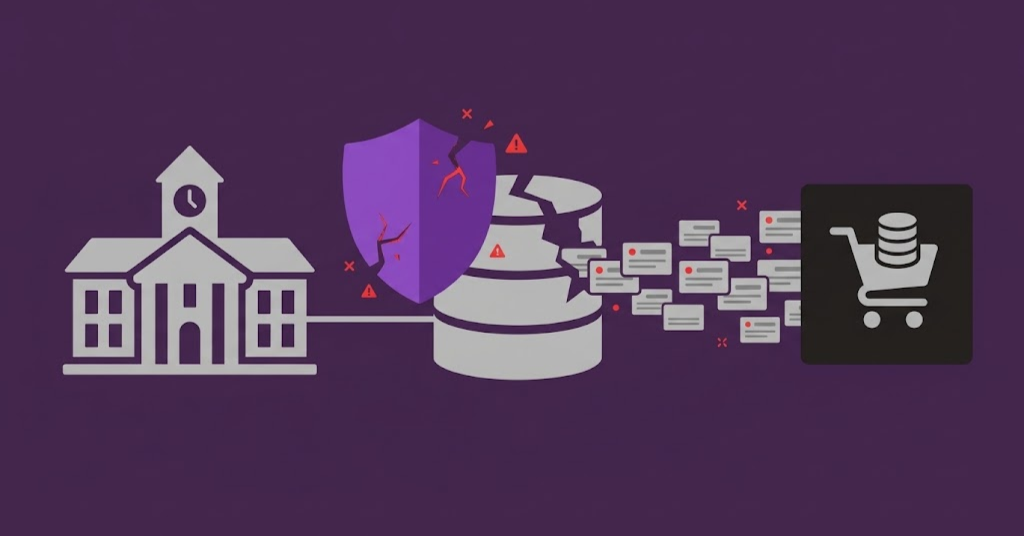
A hacker is offering personal records linked to Chulalongkorn University for sale online. The university is one of Thailand’s leading schools. The seller claims the database holds 81,705 user records and wants $1,000 for it.
According to a post by the X account named Dark Web Intelligence, the offer appeared on an underground cybercrime forum. The claim raises worries about identity fraud and targeted phishing. Stino onebody has confirmed that a data breach actually happened.
Hacker Posts Thai University Database for Sale
The post says the data comes in JSON format. That is a common file type for storing information. The seller also accepts escrow for the deal. Escrow means a third party holds the money until both sides agree. The asking price stays at $1,000, as the same post shows.
Many details remain unknown. Nobody has confirmed the seller’s identity. Nobody has explained how the hacker obtained the information. No one has proven the dataset is real.
Other basic questions are also open. The 81,705 records may not belong to 81,705 different people. The data may be old instead of current. It is also unclear whether the seller truly holds the files. No verified sample has appeared. No technical review has confirmed what the files contain.
Names, ID Numbers and Phone Numbers Allegedly Listed
According to the hacker’s claims, each record holds several kinds of personal details. The listed fields include first names and last names. They also include Thai national identification card numbers. Home addresses and telephone numbers complete the list.
If the data is real, this mix could harm the people involved. It could lead to privacy violations and identity fraud. It could also help criminals run targeted scams that trick people into trusting them.
The alleged leak could affect students and university employees. Alumni and other people may be included too. Criminals could use real details to make fraud calls. They could pretend to be university representatives. They could also pose as government officials.
ID numbers, home addresses and contact details together may help some forms of identity fraud. They may also help criminals trick telecommunications providers into giving them access. A separate listing has also involved the claimed sale of 538,000 Thai phone records on the dark web, raising further concerns about the circulation of personal data in Thailand.
These dangers are only possible outcomes. They are not confirmed cases from this listing. No verified evidence links the claim to SIM swapping (stealing a person’s phone number), fake loans or account takeovers.
University Silent as Its Privacy Pages Describe Similar Data
Chulalongkorn University publishes privacy documents on its website. Its privacy policy confirms the school may handle names, national ID numbers, addresses and phone numbers. This happens in relevant administrative settings. Its personal data protection policy and its data protection policy for students also explain data duties. These pages give ways to send privacy questions to the university.
This makes the types of data in the listing believable. It does not show that the university’s systems were hacked. No official university statement about this case has appeared. No independent report has confirmed the sale either. That does not prove the listing is false. It only means the main claim still lacks proof.
Students, staff and alumni should stay alert for now. Be careful with unexpected messages that ask for personal details, ID papers, passwords or payments. Check any odd message through the university’s official contact channels. Do not trust phone numbers or links inside messages you did not expect.
Anyone worried about their data should contact the university through its official website. They should also follow any security advice the school confirms.
The report shows how personal data can circulate on underground marketplaces. For now, the evidence supports calling this a hacker’s claim, not a confirmed Chulalongkorn University breach. Proof would need to come from the university, government authorities or independent cybersecurity researchers.