
- A hacker group claimed it had successfully stolen 23 terabytes of data from Rosstat, the Russian statistics authority, including military loss data.
- The hackers claimed they controlled almost 25,000 computers and disabled Rosstat’s official homepage, posting anti-Russian remarks.
- Rosstat confirmed targeted attacks on its systems, but denied any compromise of central databases & protected personal data.
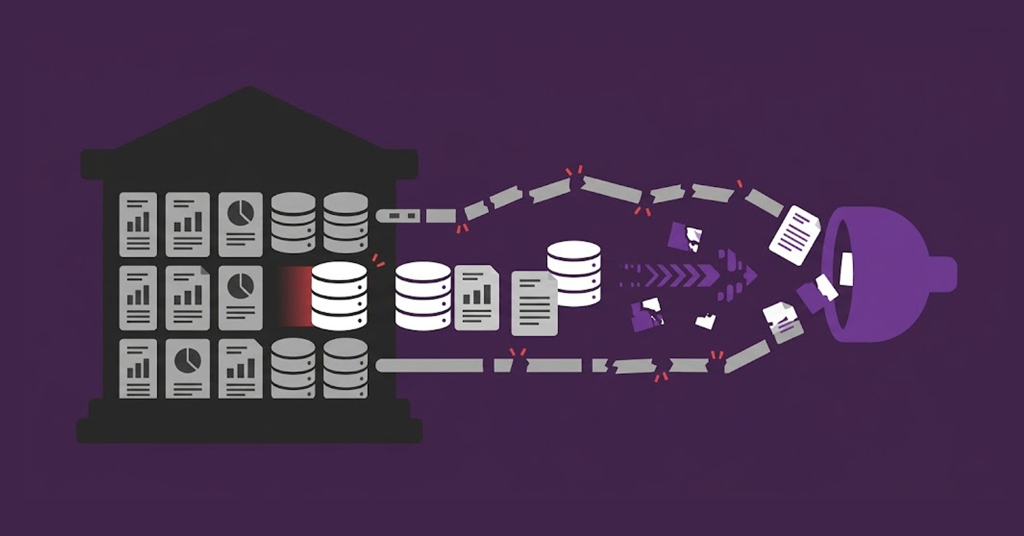
Recently, digital activists launched a major cyberattack on Rosstat, the Russian national statistics agency. The hacker groups claim they stole 23 terabytes of sensitive data from the government agency network. The alleged stolen information comprises extensive details of losses the Russian military sustained in the ongoing conflict with Ukraine.
The event exposes the increasing threats against online security for official databases and public infrastructure networks. Technical teams rapidly acted to control the network disturbances and safeguard the affected network infrastructure. At the same time, authorities made announcements on the overall security of government information systems.
Hacker Groups Claim Deep Network Access and Destruction
Two activist hacker collectives named Belarus Cyber Partisans and Silent Crow claimed joint responsibility for the intrusion. The groups stated they took control of roughly 25,000 computer machines across the country. They also claimed they destroyed internal digital systems at the main headquarters and several regional branch offices.
The activist groups used defacement messages that they wrote in Belarusian to replace standard website pages. The defacement message warns Russian officials that they will have to take responsibility for their military actions.
Consequently, the main website of the agency went offline as engineers attempted to restore normal web operations. The activities of the attackers created significant operational delays for staff members who have to access the office tools daily.
Compromise of Internal Infrastructure and System Management Tools
According to specialized technical reports, the actors managed to penetrate deep into the operational layers of the agency network. The hackers claimed they compromised the main domain controllers & central virtual machine management systems. By accessing these critical systems, the intruders managed to control many virtual servers in the datacenters of the agency.
Additionally, the attackers alleged that they took away documents from the electronic document management system and the files of the internal communications system. The intruders reportedly have two terabytes of restricted data specifically designated for internal use.
The hackers also targeted demographic systems, census databases, and regional population tracking tools. Therefore, the scope of the claimed breach extends far beyond basic external web server disruption.
Government Agency Confirms Cyberattack but Denies Data Leaks
Representatives from Rosstat announced that its networks suffered focused destructive cyberattacks from threat actors. Nevertheless, the agency denied allegations related to data thefts and compromised databases. The organization stated that the hackers did not gain access to secure data storage units or legally protected personal information.
In addition, internal security employees confined impacted server networks to halt the effects of the attack. Technical staff began the restoration of offline systems using secured back-up data kept on separate space from the main internet.
The system administrators have also changed internal access passwords which will, in turn, prevent further unauthorized access to the government databases. Hence, the agency keeps working to restore the operation of public services.
Track Record of Target Groups and Past Infrastructure Campaigns
The activist groups involved in this incident maintain a documented history of targeting high-profile state systems. Both Belarus Cyber Partisans and Silent Crow previously claimed responsibility for major breaches against transportation and real estate networks. As an example, the groups attacked airport booking systems and asset registry systems in their earlier activities.
Russia has also carried out major operations against cybercrime networks, including a raid on the Cryptex cryptocurrency network that resulted in the seizure of millions in assets and the detention of 96 people.
Consequently, there is a regulatory obligation on state agencies to modernize their central security and monitoring systems. Securing large government databases necessitates either frequent verifications of security status or, in cases of breaches, immediate actions.
Remote sites of governmental institutions are often easier to access by attackers trying to gain access to the central state system. Thus, it is imperative for the state institutions to follow a regular training program for the employees working at remote offices. They should know how to identify any unusual activities in the network on time.
Impact on National Statistical Operations and Data Security
The temporary suspension of operations creates problems for economists, researchers, and government officials that use official data. Rosstat regularly publishes public statistical reports about the state of the national economy, demographic changes, plus trade activities of the country. Interruptions in system work cause delays in producing these statistics reports thereby creating voids in the official public data records.
There is also a need for cyber security specialists to analyze server logs to find out how the hackers penetrated the system. Determining the point of intrusion allows IT specialists to eliminate system vulnerabilities timely before attacks occur in the future.
Additionally, state agencies should verify that restored databases remain free of secret software threats before restarting operations. To conclude, this attack demonstrates the critical need for strong digital defenses around public statistics & national data centers.